


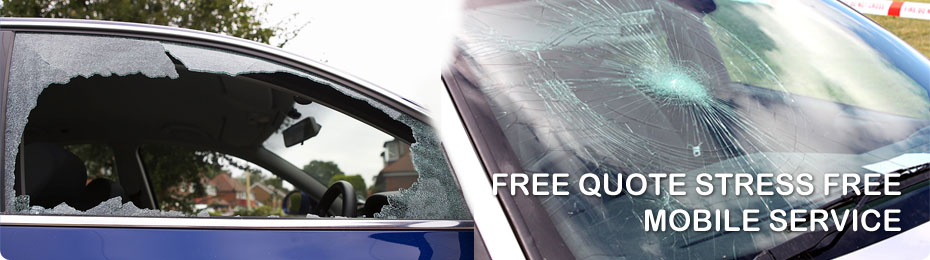

Auto glass is one of the most important safety features in your vehicle. Over the past century, advancements in materials and regulations have transformed it from simple panes of glass to engineered components that protect you in a crash.
At Dixie Auto Glass, we stay up to date with all safety standards to ensure every repair and replacement meets or exceeds OEM specifications. Here is a look at how auto glass safety standards have evolved.
Why It Matters
According to the National Highway Traffic Safety Administration, your windshield provides up to 60% of your vehicle’s roof strength in a rollover. The Car Care Council also reports that proper installation is critical for airbag deployment and crash protection.
Understanding these standards helps you make informed decisions about your auto glass.

Early Auto Glass: Simple and Dangerous
In the early 1900s, vehicles used ordinary window glass that shattered easily. This posed serious risks to drivers and passengers.
1920s–1930s: Laminated Glass Introduced
Laminated glass, made by bonding two layers of glass with a plastic interlayer, was developed to prevent shattering. By the 1930s, it became the standard for windshields.
1950s–1970s: Tempered Glass and Regulations
Tempered glass became common for side and rear windows. It shatters into small, blunt pieces instead of sharp shards. Safety regulations began to require laminated windshields in most vehicles.
1980s–2000s: Adhesives and Airbag Integration
Urethane adhesives replaced rubber gaskets, creating stronger bonds between the glass and frame. Windshields became critical for supporting passenger airbags.
Today: Advanced Driver Assistance Systems (ADAS)
Modern windshields often include cameras and sensors for lane-keeping, collision avoidance, and rain detection. Replacing these windshields requires calibration to maintain system accuracy.
Repair vs Replacement Overview
| Era | Glass Type | Safety Standard |
|---|---|---|
| 1900s | Ordinary glass | No standards |
| 1930s | Laminated windshields | Early safety adoption |
| 1970s | Tempered side windows | Mandatory laminated windshields |
| 2000s | Tempered and laminated | Airbag integration |
| Today | ADAS-compatible laminated | Advanced calibration requirements |
Common Questions About Auto Glass Safety
What is laminated glass?
It is two sheets of glass bonded to a plastic interlayer that prevents shattering.
Why does calibration matter?
If your windshield has sensors or cameras, calibration ensures your safety systems work properly after replacement.
Is aftermarket glass as safe as OEM?
Reputable aftermarket glass meets federal safety standards but may differ in tint or fit.
Related Resources
- 7 reasons to choose a local auto glass shop over big chains
- How to file an auto glass insurance claim in Ontario
- Understanding your insurance coverage for auto glass
About Dixie Auto Glass
Dixie Auto Glass has decades of experience installing glass to the highest safety standards. Our Price Match Guarantee and lifetime workmanship warranty help you drive with confidence.
Need a windshield replacement that meets today’s safety standards?
Contact Dixie Auto Glass today to schedule service or get a free estimate.